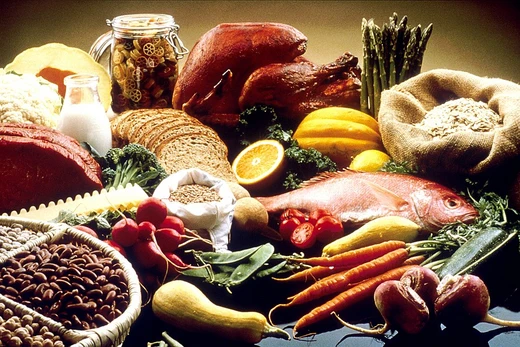
Fish as food
Fish provides protein and nutrients consumed globally in diverse forms.

Fish as food refers to the meat of fish and, in culinary and fishery contexts, may include shellfish such as molluscs, crustaceans, and echinoderms.
- per_capita_consumption_2015
- 20.2 kg (45 lb)
- annual_consumption_growth_1961_2015
- 3.2% average increase
- species_used_as_food
- about 20% of extant fish species
Lore & Background
This expansion was driven by increased production, reduced wastage, better utilization, improved distribution, and growing demand linked to population growth, rising incomes, and urbanization. The shift reflects structural changes in the sector and the growing role of Asian countries in fish production. Fish can be prepared uncooked (e.g., sashimi), cured by marinating (e.g., ceviche), pickling, or smoking, or cooked by baking, frying, grilling, poaching, or steaming. Preservation techniques are often performed for taste and texture. Fish has a delicate texture due to short fibers and thin connective tissue (about 3% of its weight, compared to 15% in land animals).
Reader's Guide
Fish as food is significant globally as a source of high-quality, easily digested animal proteins and essential nutrients, particularly in densely populated countries and small island developing states where total protein intake is low. A 150g portion provides about 50–60% of an adult's daily protein requirement. Oily fish contain fat-soluble vitamins (A, D, E, K) and essential fatty acids; eating oily fish rich in omega-3 fatty acids may reduce systemic inflammation and lower cardiovascular disease risk, though it likely has little effect on overall cardiovascular deaths. Shellfish can accumulate toxins from algae, causing four syndromes of shellfish poisoning. Mercury and other toxic metals can accumulate in apex fish, though the FDA states risk is not a health concern for most people; recommendations are given for child-bearing women and young children to avoid high-mercury species and limit albacore tuna.
Did You Know?
- The English language does not have a special culinary name for food prepared from fish, unlike pig vs. pork or Spanish pez vs. pescado.
Frequently Asked Questions
What does "Fish as food" actually refer to?
It is the culinary term for edible fish meat, and in broader food and fishery contexts it can also encompass shellfish such as molluscs, crustaceans, and echinoderms.
More in Food 1-24
Elsewhere in the Food universe
Spotted an error? Know more?
This is a living reference — every entry is fact-audited, and reader corrections feed straight into our audit queue. Suggest an edit · See this site's audit record